
The cost of instant gratification
What happens when we're trying to live like the 1%, but our bank account disagrees?
We’re living in a time where status has never been more coveted, or more confusing. From ultra-wealthy influencers showing up on social feeds to attainable-but-covetable collectibles loved by celebrities, young Australians are under pressure to keep up with a lifestyle that looks just within reach. And in trying to project status, many are spending beyond their means, often without realising it.
This chase for status is feeding a culture of instant gratification and financial strain. Whether it’s luxury handbags, niche internet trends, or the latest PopMart toy, the desire to signal belonging is leading many into financial habits they can’t sustain. At the same time, the tools that enable this behaviour are becoming more embedded in everyday life.
What we've noticed

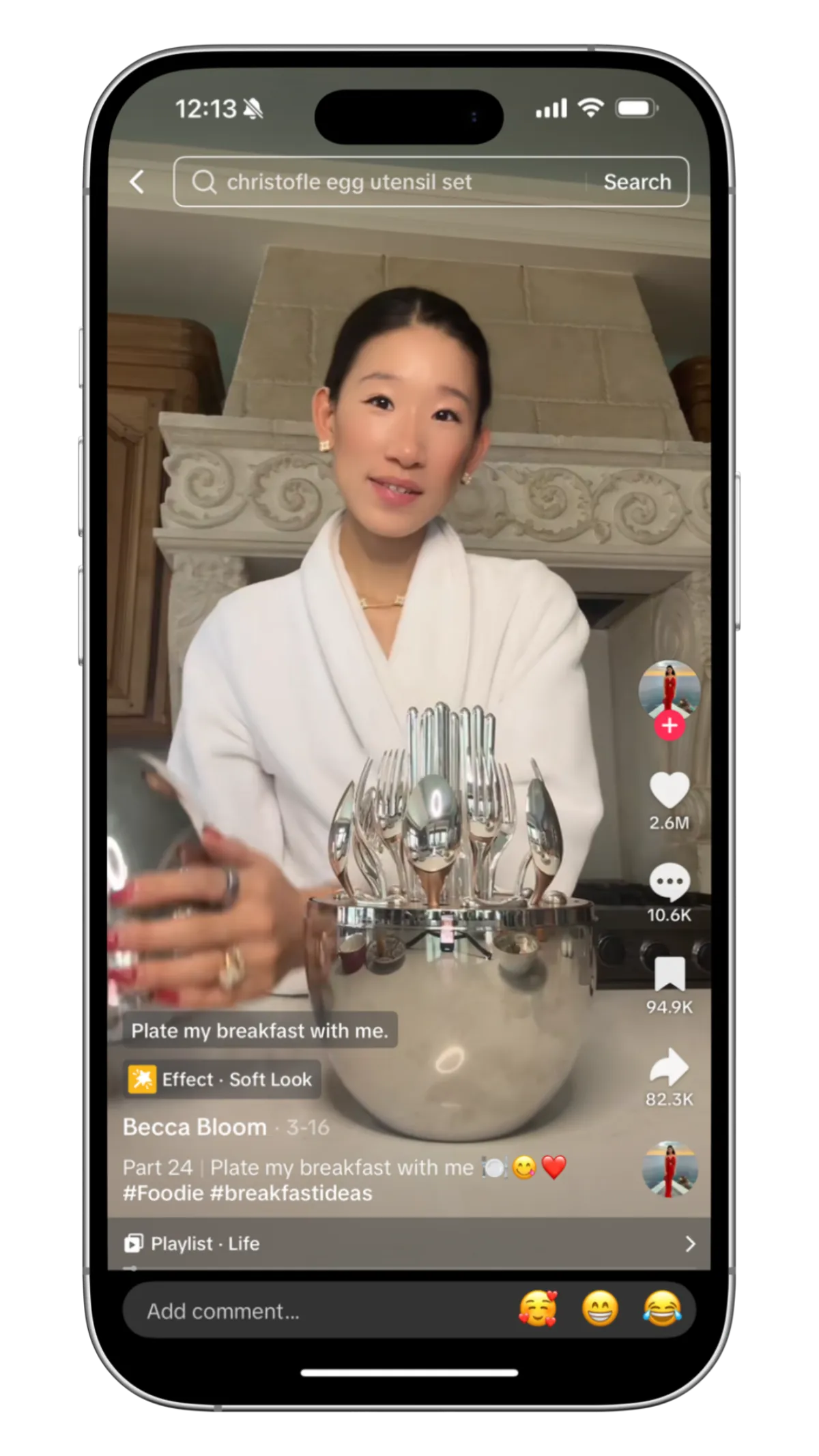
TikTok: @beccabloom
Displays of wealth are everywhere - but it’s not the obviously rich that are the most influential. TikTok creators like 'Billionaire Heiress' Becca Bloom - who crafts a hyper-glamorous persona built around private jets, designer wardrobes, and generational wealth - offer a fantasy that’s so far removed from reality, it’s consumed more for escapism than aspiration. This level of luxury feels safely out of reach, which makes it entertaining rather than envy-inducing.
But it’s the mid-tier influencers; the ones who shop at Dissh but pair it with Bottega, who are shaping our spending. They feel close enough to emulate, making their curated lives seem like a blueprint we just haven’t achieved yet.
That sense of attainability is key. The rise of PopMart’s Labubu toys shows that status symbols aren’t always expensive - they just have to be exclusive, trending, and hard to get.
Because they’re more affordable, they offer a quick dopamine hit and a sense of being 'in the know' without breaking the bank. But that means it’s even easier to keep chasing, and overspending.
Making sense of it
With traditional markers of success feeling so out of reach, young Australians are redefining what it means to 'make it' and they're making it more accessible. Status-chasing is shaping our financial behaviours, and nowhere is this more evident than in the rise of Buy Now, Pay Later (BNPL) services. Touted as a smart alternative to credit cards, BNPL allows consumers to access what they want now, without interest, and it’s booming. In 2025, the market is forecast to hit $22.46 billion in transactions, growing to $33.84 billion by 2030.
But the cracks are showing. While 57% of Gen Z and Gen Y have used BNPL in the past six months, late fees are rising (now averaging $77) and many users report feeling out of control. Among Mamamia women, 2 in 5 have used BNPL to buy something they couldn’t otherwise afford. Fashion and beauty top the list.
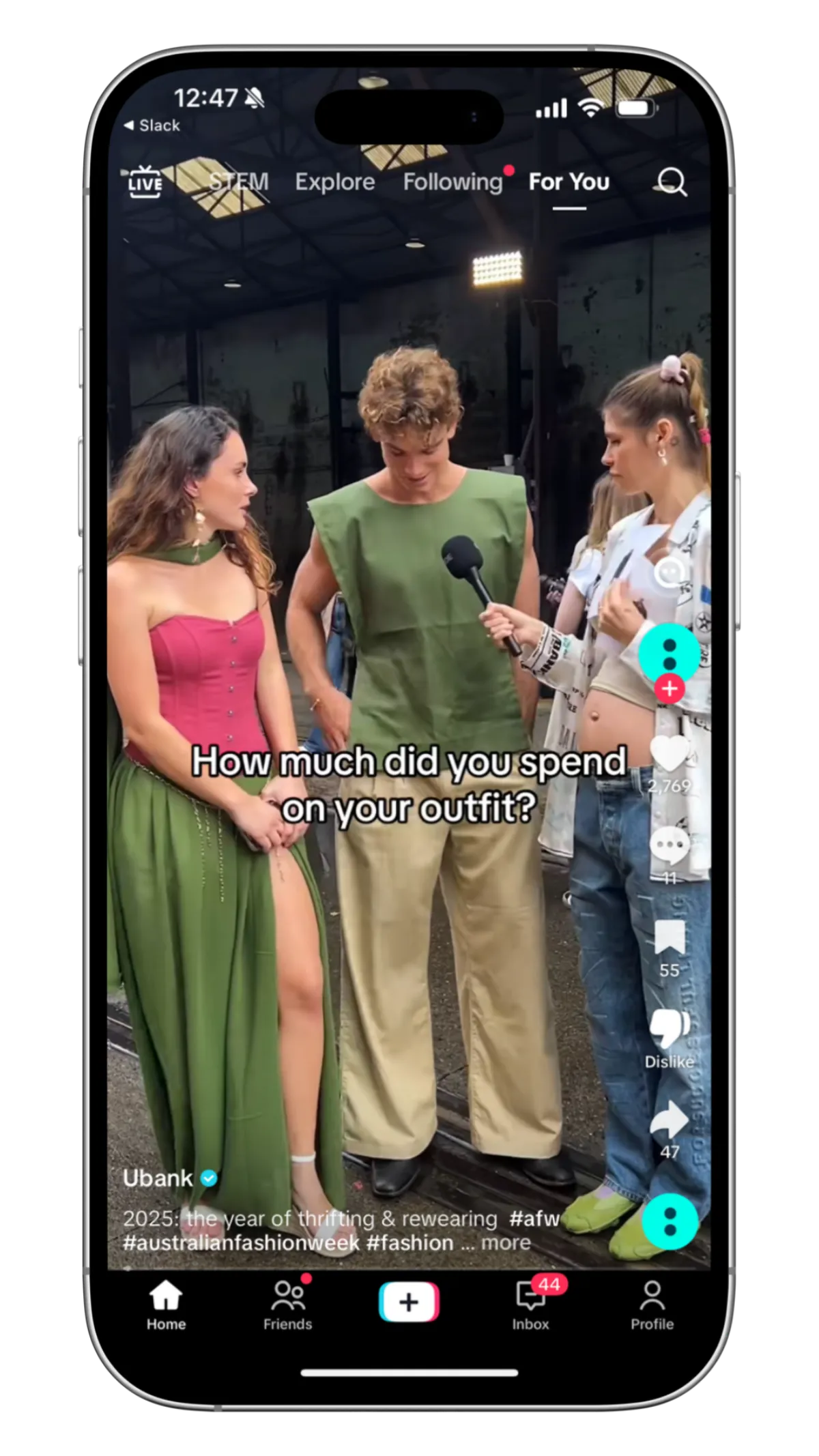
TikTok: @ubank at Australian Fashion Week
And even though they’re savvy and resourceful, 60% say they’re unsatisfied with their relationship with money. BNPL isn’t the villain - but it’s a symptom of a bigger issue. A generation chasing status, self-expression, and financial freedom is building habits on shaky ground. The real issue? Financial literacy hasn’t kept up. And while the tools may feel smarter, they don’t guarantee smarter outcomes.
What it means for brands
There’s a powerful insight here for brands: we don’t just need to offer her better financial tools, we need to help her make sense of them.
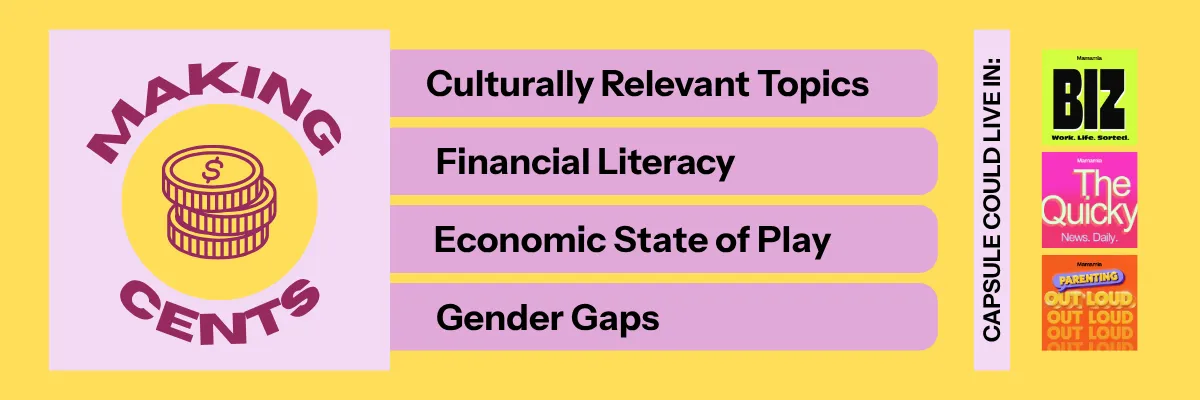
That’s where Making Cents comes in. Launching as a four-part capsule that could sit within key Mamamia shows like BIZ, The Quicky or Parenting Out Loud, Making Cents will explore the key financial issues shaping women’s lives in FY25 - from financial literacy and the cost of status to the gender wealth gap and culturally-specific money pressures.
Backed by Mamamia’s deep understanding of women, Making Cents helps brands lead with purpose and clarity. This is a chance to offer real value, speak directly to women’s financial reality, and be part of the cultural reset she’s already craving.
More from Inside Mamamia
See everything →After three years in the UK leading partnerships at Pinterest, Snap and TikTok, Danielle Rigg-Smith returns to Australia to lead Mamamia's NSW partnerships.
Audience and download growth across Mamamia's house of brands have seen Australia's largest women's network embed its position as Australia's most popular independent publisher, according to the independent Triton Digital Podcast Ranker for August.
Former Vogue Australia Digital Director Alison Izzo joins Mamamia to lead You Beauty, Australia's biggest beauty podcast.