
Move over, It Girl. 2026 is the year of the Lit Girl
The hottest accessory this year isn't a handbag. It's the book tucked inside it.
For years, taste was something we wore. The shoes on our feet. The logo within our shirt. The brands we aligned ourselves with.
In 2026, the strongest signal of individual taste isn't just your sense of style or the bag you carry... it's the book tucked inside it.
Today, a book is a public signal. It tells the world, I have cultural depth.
Cue the rise of the Lit Girl.
Who is she?
She reads. She divulges her opinions on BookTok. She'd rather spend a Sunday at a book club than a Saturday night in the club. She swaps "Where did you get that dress?" for "What are you reading next?"....and most importantly she’s become this era’s new ‘cool girl’.
Curating bookshelves, carrying a book with you, casually dropping literary references into conversation have become a new form of social currency that defines the Lit Girl. In an age plagued with brain fog, digital burnout and AI-generated content, the luxury of reading a book cover-to-cover has become a rare marker of intellect, curiosity and intention.

Books are no longer confined just to the bookshelf. They're shaping every corner of culture, from Hollywood and celebrity to fashion and luxury. Being a Lit Girl has become aspirational.
This year's cultural conversation has been dominated by book-to-film/TV adaptations including People We Meet on Vacation, Off Campus, Margo's Got Money Troubles and new interpretations of literary classics like Sense and Sensibility and Wuthering Heights. The next blockbuster is just as likely to start as a bestseller as it is an original screenplay.
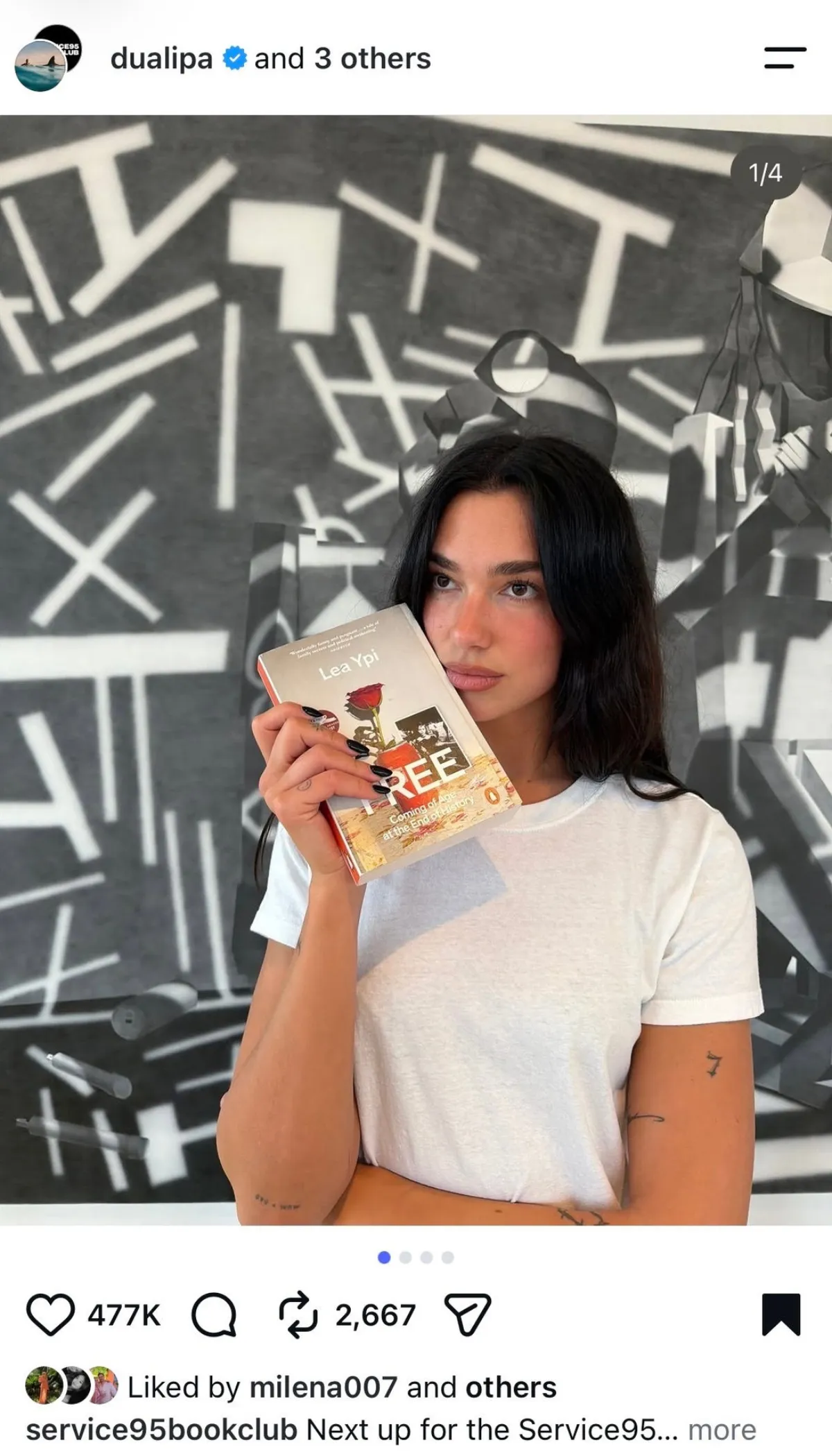
Celebrity has followed suit. Dua Lipa's Service95 Book Club and Kaia Gerber's Library Science have joined the ranks of Reese Witherspoon's Book Club and Oprah's Book Club, transforming reading into something communal and highly visible.
Much of this resurgence has been fueled by TikTok, where BookTok has built immense power in shaping best-seller lists and cultural hype around certain releases. As The Business of Fashion put it, "online subcommunities like BookTok have transformed reading into a visible identity and community marker for younger consumers."
And the impact extends far beyond social media. According to NielsenIQ BookData, Australian book sales grew by an additional $14 million in the first quarter of 2026 compared to the same period last year, proving BookTok isn't just shaping conversation, it's shaping commerce.
Luxury fashion houses are further cementing the ‘Lit Girl’ as aspirational. Chanel, Prada, Miu Miu, Dior and Valentino are hosting literary salons, book clubs and author collaborations as a way of building cultural cachet beyond the runway. Earlier this year, Coach partnered with Penguin Random House and Reese Witherspoon's Gen Z-focused book club, Sunnie Reads, to launch a collection of book bag charms—turning books themselves into fashion accessories.
Books aren’t just back in 2026, they've become cultural currency.

One of the reasons the Lit Girl has become so aspirational is what she represents: a return to intentional, offline living.
Funnily enough, it is TikTok that's leading this movement. What began as a trend towards "analogue lifestyles" has evolved into a broader cultural shift, with people swapping doomscrolling for physical novels, glossy magazines, Sunday newspapers and leatherbound journals.
In a world where everything is instant and digital, slowing down has become the ultimate luxury.
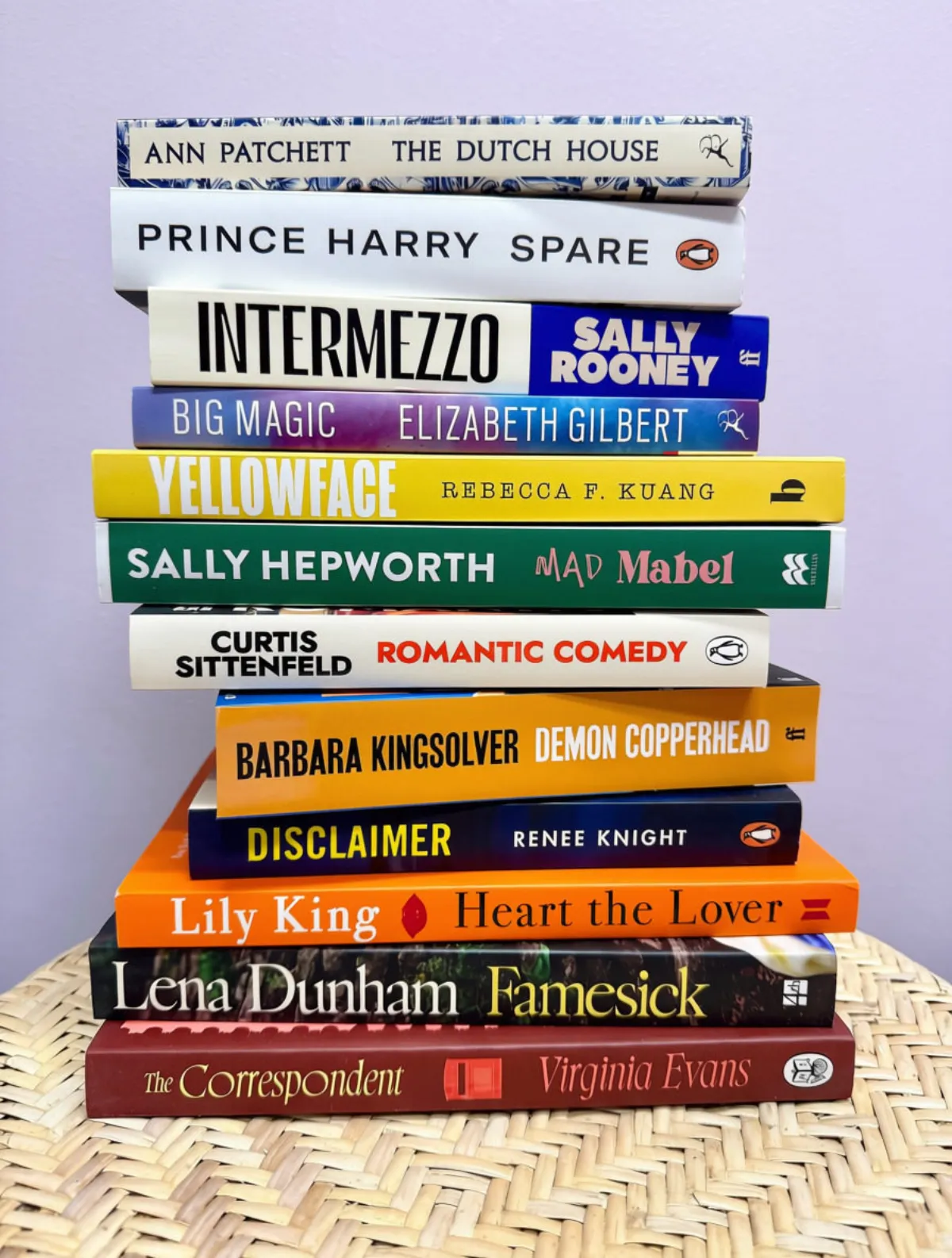
Choosing tangible media has become less about nostalgia and more about reclaiming agency. In an age where algorithms decide what we watch next and every spare moment is filled with another scroll, spending hours reading a single physical book is one of the few acts of intentional consumption left.
Reading on your morning commute almost feels defiant amongst a sea of bowed heads in screens.
It's also one of the last forms of media we truly choose. Unlike social feeds, a book asks for commitment. It isn't algorithmically served to you every few seconds. You seek it out, spend time with it, and choose to finish it. That sense of agency feels increasingly valuable.
For Gen Z in particular, books have become a vehicle for identity. They offer something increasingly rare online: original thought.

But here's the irony.
While reading a physical book has become the Lit Girl's way of stepping outside the algorithm, the moment she turns the final page she's right back in it.
She heads to TikTok, Reddit, Instagram and her favourite podcasts to compare interpretations, debate the ending, discover fan theories and validate her own reactions. Reading may happen offline, but the experience of a book now extends far beyond its pages.
In other words, books have become both an escape from the internet and one of the internet's richest sources of conversation. The reading happens alone. The cultural experience happens together.

For brands, the opportunity isn't simply to be seen beside books. It's to become part of the conversation that follows them.
Because for today's Lit Girl, finishing the book isn't the end of the experience - it's the beginning of a new one. She searches for reviews, listens to podcasts, swaps recommendations with friends and consumes endless discussion online. The cultural life of a book now extends well beyond its final page.
That's where Mamamia comes in.

As Australia's #1 podcast, and leading cultural commentators, Mamamia Out Loud doesn't just recommend the books everyone is reading — it hosts the conversations everyone wants to be part of.
Mamamia Out Loud’s Book Club transforms reading from an individual habit into a shared cultural moment, unpacking the hot takes, surprising perspectives and conversations women want to be armed with before Monday morning. It gives the Lit Girl exactly what she's looking for - not just another recommendation, but the social currency that comes from understanding the conversation around it.
For brands, that creates something increasingly valuable: an environment built on trust, habit and active participation. This isn't passive listening in the background while doing other tasks. Audiences arrive with intent because they want to compare opinions, validate their own thinking and feel in on the cultural conversation.
The brands that will succeed in this space will become part of the conversation itself, using trusted hosts to authentically integrate their brand into a moment audiences have actively chosen to engage with.
Because the Lit Girl isn't reading to escape culture.
She's reading to earn her place within it.

More from Inside Mamamia
See everything →After three years in the UK leading partnerships at Pinterest, Snap and TikTok, Danielle Rigg-Smith returns to Australia to lead Mamamia's NSW partnerships.
Audience and download growth across Mamamia's house of brands have seen Australia's largest women's network embed its position as Australia's most popular independent publisher, according to the independent Triton Digital Podcast Ranker for August.
Former Vogue Australia Digital Director Alison Izzo joins Mamamia to lead You Beauty, Australia's biggest beauty podcast.